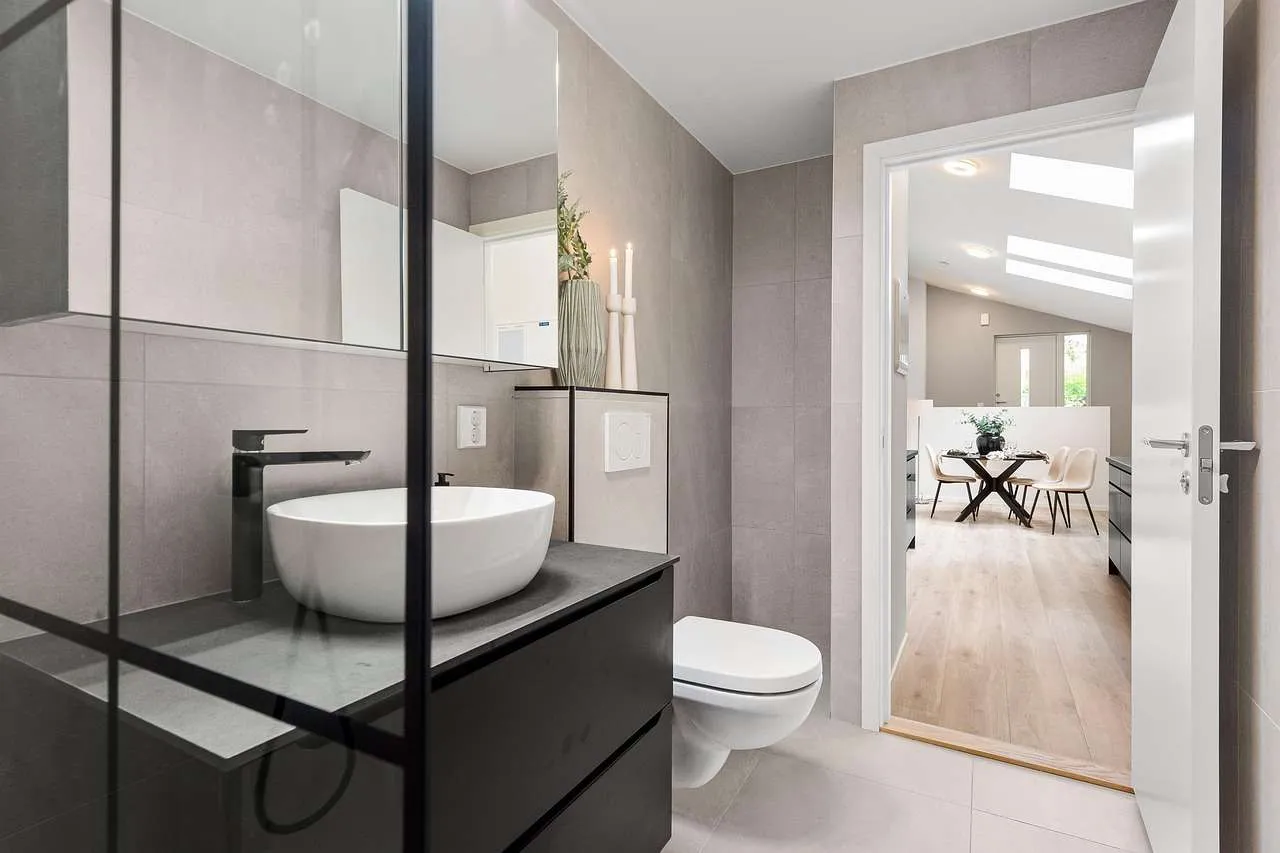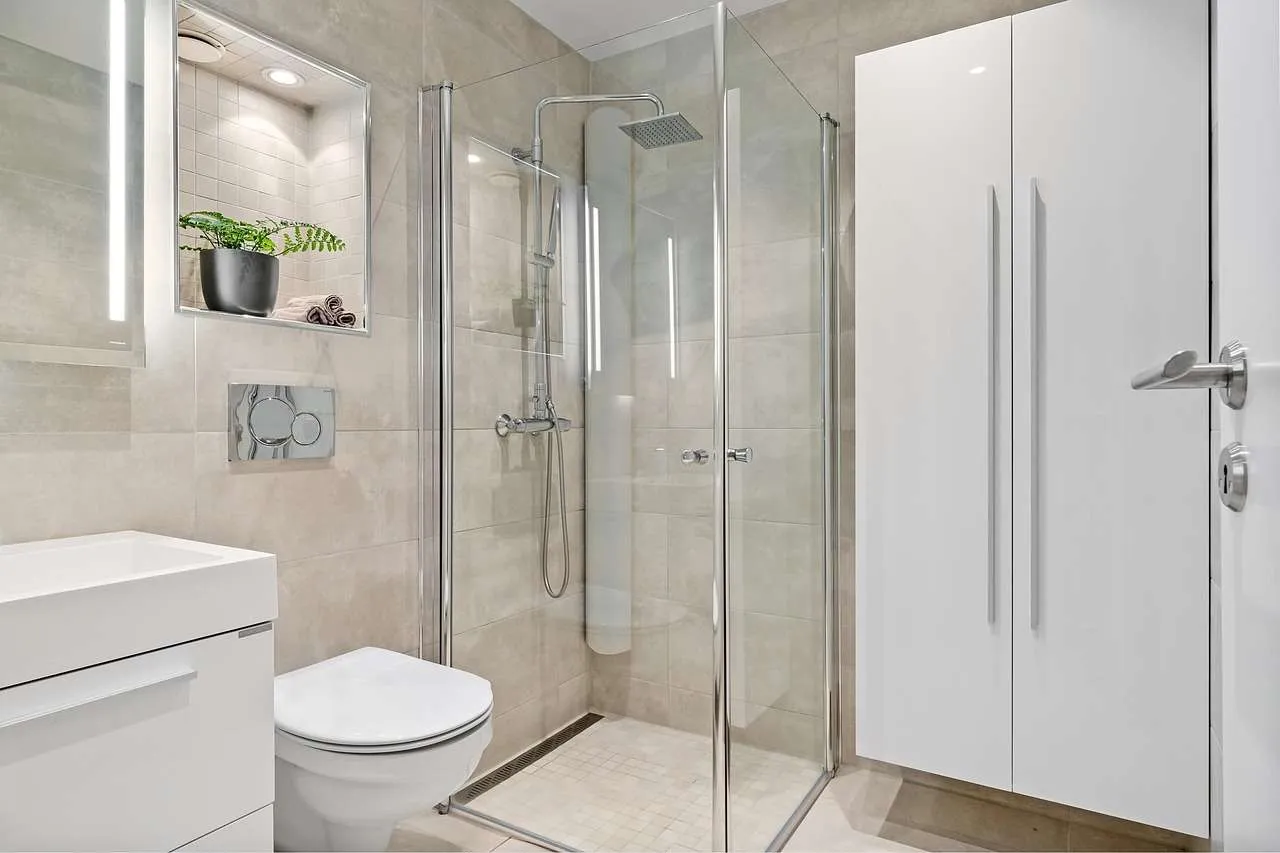
A well-executed bathroom decor plan elevates daily routines into moments of calm and efficiency. Beyond looks, the right decor influences organization, lighting, and resale value. This guide provides expert-backed ideas to help you create a cohesive, durable bathroom that fits your lifestyle.
Why bathroom decor matters
The bathroom is a high-traffic, moisture-rich room where design choices affect mood, function, and longevity. Cohesive decor reduces clutter perception, reflects personal style, and supports a healthier daily routine through better lighting and storage solutions.
Principles of good bathroom decor
Consistency and flow
Choose a unifying palette and repeat materials in fixtures, counters, and textiles to create visual harmony. A consistent flow makes the space look larger and more intentional.
Durability and moisture resistance
Prioritize materials rated for humidity—porcelain tiles, quartz countertops, tempered glass, and sealed wood—so your decor lasts with minimal maintenance.
Balance of form and function
Fixtures and accents should be both beautiful and practical. Consider storage-first layouts that hide clutter while showcasing statement pieces like a vanity mirror or designer lighting.
Color palettes and materials
Color psychology and palette selection
Soft neutrals (cream, taupe, gray) with a pop of muted color create a serene backdrop. For smaller bathrooms, a monochrome palette with high-contrast accents can visually enlarge the space.
Materials that endure moisture
Choose porcelain tiles, quartz countertops, tempered glass, solid-surface surfaces, and moisture-resistant woods or laminates for durability. Seal stone surfaces and ensure proper ventilation to prevent mold.
Elements of bathroom decor
Fixtures and fittings
Mix metal finishes in a controlled way and keep the number of finishes to two or three to avoid a chaotic look.
Storage and organization
Built-in niches, recessed shelves, and vanity drawers reduce clutter. Use baskets made of water-resistant materials for soft storage.
Lighting and mirror choices
A layered lighting plan with ambient, task, and accent lighting improves usability. Choose mirrors with anti-fog features and frameless or minimal frames for a modern touch.
Styles and budget considerations
Selecting a style helps guide material choices and budget planning. The following table contrasts popular bathroom decor styles and typical ranges.
| Style | Key features | Materials | Budget range | Pros/Cons |
|---|---|---|---|---|
| Minimalist | Clean lines, neutral palette, hidden storage | Porcelain, glass, stainless steel | Moderate | Pros: low maintenance; Cons: can feel cold without warmth |
| Classic | Timeless fixtures, subway tiles, warm woods | Ceramic tile, natural stone | Moderate-High | Pros: enduring style; Cons: may feel formal |
| Spa-inspired | Muted palette, natural textures, rainfall shower | Stone, wood, quartz | High | Pros: relaxing; Cons: higher installation costs |
| Industrial | Metal finishes, concrete or tile, open shelving | Concrete, steel, glass | Moderate | Pros: bold look; Cons: colder vibe |
| Coastal | Light blues, whites, wicker accents | Ceramic, rattan, glass | Moderate | Pros: airy feel; Cons: humidity can affect fabrics |
DIY vs professional help
For major renovations, consult licensed contractors, especially for electrical and plumbing work. A designer can tailor a plan to your space and budget, ensuring moisture control and durable finishes. Smaller updates—like lighting, mirrors, or soft textiles—are often DIY-friendly with careful measurement and safety checks.
Maintenance and safety tips
Ventilation is essential: use an exhaust fan, keep humidity under control, and reseal grout every few years. Choose slip-resistant flooring and add non-slip mats in wet zones. Regularly check caulk, seals, and water-dense storage to prevent leaks and mold growth.
Conclusion, a cohesive bathroom decor plan combines durable materials, moisture control, layered lighting, and smart storage to create a space that's stylish, functional, and easy to maintain.